
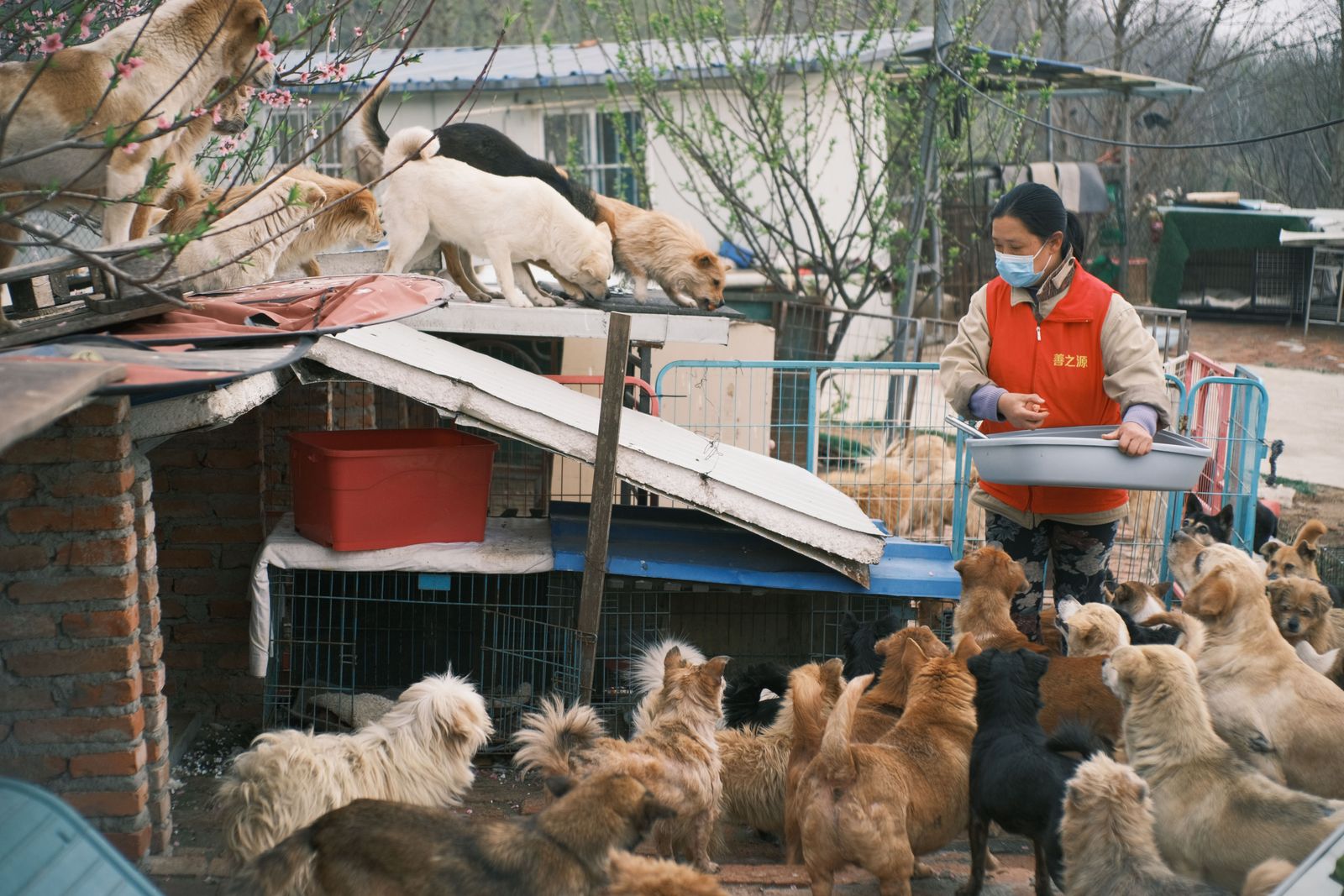
Animal shelters and rescue organizations need reliable funding for veterinary care, housing, staffing, and the long-term responsibilities of animal protection.
Every animal rescued from neglect, abandonment, injury, or danger represents both a life deserving protection and the commitment of people working to provide that protection. Behind each successful rescue are individuals and organizations responsible for veterinary care, food, shelter, transportation, rehabilitation, and, when possible, finding safe and appropriate permanent homes.
Animal welfare nonprofits carry responsibilities that extend far beyond the moment an animal is rescued. Shelters, rescue organizations, sanctuaries, wildlife rehabilitation centers, equine rescues, and other animal protection programs must maintain the financial, operational, and professional resources necessary to provide care long after an immediate emergency has passed. Their work deserves more than occasional attention when a rescue story captures public interest. It deserves thoughtful philanthropic partnerships, responsible funding strategies, and sustainable organizational support.
What Recent National Statistics Tell Us
The need for animal welfare services is substantial. According to Shelter Animals Count’s 2026 Mid-Year Data Summary, approximately 3.68 million dogs and cats entered U.S. shelters and rescues between January and June 2026. This represented an increase of approximately 72,000 animals, or 2%, compared with the same period in 2025.
During those six months, approximately 213,000 more dogs and cats entered care than left through adoption, reunification, transfer, and other recorded outcomes. Although shelter populations commonly increase during the first half of the year, the difference between incoming animals and recorded outcomes was larger than during the corresponding period in 2025.
The report also documents encouraging progress. Approximately 2.07 million dogs and cats were adopted during the first six months of 2026. Yet the continuing arrival of animals, seasonal pressures associated with kitten births, and challenges placing adult dogs illustrate the importance of maintaining adequate organizational capacity.
These statistics specifically concern dogs and cats entering U.S. shelters and rescues. They do not represent the full population of animals requiring assistance, nor do they measure the needs of wildlife rehabilitation programs, equine rescues, farm animal sanctuaries, or other organizations caring for different species. Nevertheless, they provide important evidence of the operational pressures affecting a significant part of the animal welfare sector.
The Financial Responsibilities Behind Every Rescue
Public attention naturally gravitates toward individual animals whose circumstances inspire concern and compassion. A dog recovering from neglect, a litter of abandoned kittens, an injured horse, or a wild animal requiring rehabilitation can generate urgently needed donations.
Yet the cost of care rarely ends with the rescue itself. Veterinary examinations, diagnostic testing, medications, vaccinations, surgery, nutritional support, safe housing, sanitation, transportation, and specialized rehabilitation may require substantial expenditures. Animals with serious medical conditions or behavioral needs may require extended periods of care before an appropriate placement or release becomes possible.
Meanwhile, organizations must continue paying for facilities, insurance, utilities, equipment, administrative systems, and qualified personnel. Volunteer contributions are invaluable, but they do not eliminate the need for dependable operating resources or professional expertise.
When funding depends heavily on unpredictable donations, organizations may face difficult decisions about how many animals they can responsibly accept, which services they can provide, and how to maintain the quality of care already promised. The challenge is not simply raising enough money for the next rescue. It is establishing the financial capacity to fulfill the organization’s responsibilities consistently.
Funding Programs That Improve Animal Welfare Outcomes
Effective animal welfare funding should strengthen both immediate care and the programs that reduce preventable suffering over time. For companion animal organizations, strategically designed programs may include accessible spay-and-neuter services, preventive veterinary care, pet food assistance, temporary fostering, adoption services, and responsible pet retention initiatives. Helping families overcome temporary financial or practical barriers can sometimes prevent an animal from entering an already crowded shelter.
Foster programs are especially valuable because they expand an organization’s capacity beyond the physical limitations of its facilities. Shelter Animals Count’s 2026 report identifies foster capacity as an important strategy for reducing length of stay and improving outcomes, emphasizing the importance of preparing before seasonal increases in animal intake.
Partnerships among shelters and rescues offer another opportunity. The report indicates that approximately 94% of transferred-in animals whose journeys conclude at the receiving organization are adopted. This finding highlights the potential value of coordinated transfer partnerships, although outcomes depend on the animals involved, the receiving organization’s resources, and the quality of the placement process.
For wildlife rehabilitation nonprofits, effective programming may involve emergency veterinary treatment, species-appropriate nutrition and housing, trained rehabilitation personnel, specialized equipment, and preparation for safe release when possible and appropriate. Sanctuaries and long-term care organizations may require different funding models because some animals need lifelong care rather than adoption or release. The most effective programs reflect the particular animals served, the organization’s professional responsibilities, and the outcomes that can reasonably be achieved.
Why Organizational Capacity Deserves Philanthropic Investment
Animal welfare organizations cannot sustain effective services through compassion alone, however deeply that compassion motivates their work. They also need responsible governance, sound financial management, realistic budgets, adequate staffing, volunteer coordination, reliable recordkeeping, appropriate facilities, and clearly defined policies for animal care.
These organizational responsibilities may be less visible to donors than a dramatic rescue, but they are essential to protecting the animals entrusted to an organization’s care. Philanthropic grantmakers can make a meaningful difference by supporting necessary operational infrastructure alongside direct program expenses. Depending on their priorities and grant restrictions, such investments may include veterinary equipment, facility improvements, staff development, foster coordination, program evaluation, and the administrative systems that support accountability.
Funding stability also allows nonprofit leaders to plan responsibly, establish realistic service capacity, and respond to emerging needs without continuously operating in crisis. A strong grant proposal should therefore communicate more than the urgency of the need. It should demonstrate the organization’s capacity to address that need effectively, responsibly, and sustainably.
Building a Stronger Case for Grant Support
Animal welfare organizations seeking foundation or corporate grants must be able to explain the relationship between the needs they identify, the services they provide, and the outcomes they expect to achieve. National statistics can establish broader context, but credible grant proposals should also include relevant local evidence whenever it is available.
An adoption-focused rescue, a wildlife rehabilitation center and a sanctuary each serve different purposes. Evidence that helps explain the value of adoption services may say little about the lifetime care an animal requires in a sanctuary. Credible proposals reflect those differences and show how each organization is equipped to meet the responsibilities it accepts.
Measures should be selected according to each organization’s actual mission. Not every animal can appropriately be adopted or returned to the wild, and responsible animal welfare outcomes should never be reduced to a single numerical target.
Private grantmakers vary in the animal welfare work they support. A professional review can help leadership judge whether philanthropic opportunities align with the organization’s mission and its ability to deliver appropriate care. For a small rescue, that judgment can protect time already committed to animals, volunteers and day-to-day operations.
Collaboration Can Strengthen the Entire Animal Welfare Community
Many animal welfare nonprofits operate with small staffs, substantial volunteer commitments, and limited development capacity. Some organizations have strong animal care expertise but insufficient time or resources to pursue appropriate grants while managing daily operations.
Collaboration can help address these challenges. Shelters, rescues, veterinary providers, foster networks, sanctuaries, and other organizations may benefit from coordinated referral arrangements, shared training, transportation partnerships, joint educational initiatives, and appropriately structured funding collaborations.
There may also be opportunities for philanthropic partners to support professional grant-development assistance for smaller animal welfare organizations that cannot independently afford comprehensive consulting services. Such arrangements require clear responsibilities, appropriate financial safeguards, grantmaker authorization where applicable, and careful attention to organizational independence and professional ethics. The purpose is not to create another administrative burden. It is to help organizations develop the capacity and funding relationships needed to concentrate more effectively on their animal welfare missions.
A Sustainable Commitment to Animals and Those Who Protect Them
The dedication of animal welfare professionals and volunteers deserves recognition, but appreciation alone cannot provide the resources required to sustain their work. The first six months of 2026 demonstrate both the scale of demand for companion animal sheltering services and the meaningful progress that committed organizations continue to achieve. Beyond those statistics are many additional animals whose welfare depends on specialized rescue, protection, rehabilitation, and lifelong care. Their needs differ, but the underlying responsibility is shared: animals entrusted to human care deserve knowledgeable, humane, and dependable protection.
Funding Bridge Consulting supports animal welfare nonprofits alongside human-services organizations and faith-based ministries through research-driven grant development, organizational readiness, and strategic funding support. My goal is to help nonprofit leaders communicate the importance of their work, identify appropriate funding opportunities, and build credible cases for the resources necessary to fulfill their missions. Protecting animals requires more than responding to today’s emergency. It requires helping the organizations that care for them remain strong enough to meet tomorrow’s needs.
Research Source
Animal welfare and rescue grant development
Explore Funding Bridge Consulting Services
Funding Bridge Consulting helps human-services nonprofits, faith-based ministries, and animal welfare organizations strengthen grant readiness, identify aligned funding opportunities, and develop research-driven proposals and donor communications that support their missions. I welcome a conversation about how these services can support your organization’s work.
Contact Funding Bridge Consulting