A proposed philanthropic partnership model could help qualifying animal welfare nonprofits access professional grant-development support when their budgets cannot cover it.
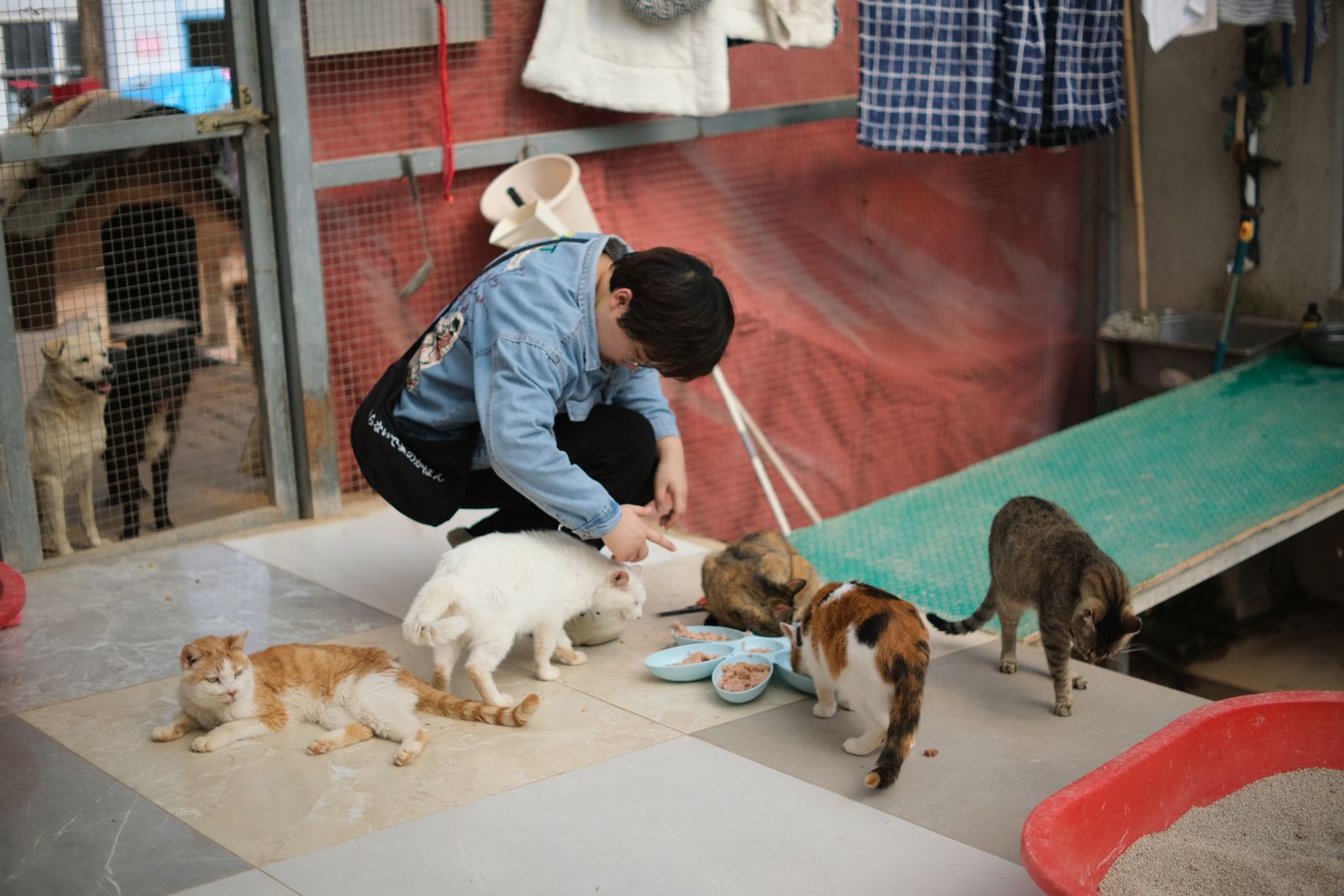
Animal welfare organizations fulfill responsibilities that require both compassion and substantial financial resources. Every day, shelters, rescue organizations, sanctuaries, and wildlife rehabilitation centers provide essential care for animals whose safety, health, and well-being depend on human intervention.
Many of these organizations operate with limited staff, dedicated volunteers, demanding service responsibilities, and unpredictable financial support. Their leaders must balance immediate animal care with administrative requirements, fundraising, facility management, veterinary partnerships, and long-term organizational planning.
Philanthropy has an important role in strengthening their ability to meet these responsibilities. Yet securing appropriate grants often requires professional research, strategic planning, credible proposals, and organizational preparation that smaller nonprofits may lack the resources to undertake. A thoughtfully structured philanthropic partnership can help bridge this gap.
What Recent Philanthropic Statistics Reveal
According to Giving USA 2026: The Annual Report on Philanthropy for the Year 2025, total charitable giving in the United States reached approximately $617.20 billion in 2025, increasing 5.7% in current dollars and 3.0% after adjusting for inflation. Giving to the combined environment and animals category reached $24.57 billion in 2025, representing an 11% increase in current dollars and an 8.2% increase after adjusting for inflation. This combined category accounted for approximately 4% of U.S. charitable giving.
These figures offer encouraging evidence of philanthropic interest in environmental and animal-related causes. However, the category includes a wide range of environmental and animal-related organizations and purposes. The total is not funding devoted exclusively to animal welfare, nor does it show how much was available to shelters, rescue organizations, sanctuaries, or wildlife rehabilitation programs.
The report also identifies substantial philanthropic resources across donor categories. Foundation giving reached $117.15 billion in 2025, increasing 5.7%, while corporate giving totaled $43.67 billion, increasing 3.1%. These amounts represent giving across charitable causes, not funding specifically allocated to animal welfare.
For animal welfare nonprofits, the important question is not simply how much money is donated nationally. It is how to identify the particular foundations, corporations, and other philanthropic partners whose funding priorities align with their missions, programs, geographic areas, and organizational capabilities.
The Gap Between Philanthropic Generosity and Grant Access
Growth in charitable giving does not mean that every nonprofit can readily obtain grant funding. Successful applications depend on organizational eligibility, program alignment, sound financial documentation, realistic budgets, demonstrated needs, and compliance with grantmaker requirements.
For smaller animal welfare organizations, preparing these materials can be particularly challenging. Executive directors may also be responsible for animal intake, veterinary arrangements, volunteer coordination, donor relations, and daily operational decisions. Many organizations lack a dedicated development professional or the resources to engage an experienced grant consultant.
Consequently, potentially suitable funding opportunities may remain unexplored, or organizations may pursue grants that are poorly aligned with their programs and eligibility. Providing professional grant-development support can help address this gap. However, that assistance must be structured responsibly, with careful consideration of organizational finances, professional service costs, and the actual likelihood of appropriate funding opportunities.
A Proposed Philanthropic Partnership Model
Funding Bridge Consulting is exploring a philanthropic partnership model designed to help eligible animal welfare nonprofits obtain professional grant-development assistance when their own financial resources are limited. Under this proposed approach, an individual donor, foundation, corporation, or other philanthropic partner could sponsor defined grant-development services for a qualifying animal welfare organization. Depending on the arrangement, sponsored services might include organizational readiness assessments, research into appropriate funding opportunities, funding strategy development, grant calendars, proposal preparation, or other clearly defined professional assistance.
Sponsorship would not guarantee grant awards. Rather, it would provide access to professional services that help organizations prepare stronger applications, evaluate funding opportunities responsibly, and build longer-term development capacity. Any proposed sponsorship would require a written agreement establishing the services covered, compensation, responsibilities, reporting expectations, and appropriate professional safeguards. Grantmaker policies, grant restrictions, and applicable ethical standards would guide the arrangement. This is a proposed model. No sponsor or funded program has been established. Funding Bridge Consulting has not represented that sponsored services are currently funded or available.
Why Philanthropic Investment in Organizational Capacity Matters
Grantmakers understandably want their contributions to produce meaningful benefits for animals. Veterinary treatment, food, safe shelter, rehabilitation, adoption programs, and appropriate long-term care are essential and visible expressions of that support. Yet the organizational capacity required to deliver these services also deserves consideration.
Strong financial management, reliable records, appropriate facilities, trained personnel, sound governance, and effective funding strategies help animal welfare nonprofits use their resources responsibly. Investing in grant-development capacity can be one part of this broader effort. Professional assistance may help organizations identify suitable grantmakers, communicate measurable needs, prepare credible budgets, strengthen proposal quality, and develop more consistent fundraising practices.
National giving statistics demonstrate the scale of charitable giving. They do not guarantee that a particular organization qualifies for those resources or that professional grant assistance will result in an award. The purpose of capacity-building support is to improve an organization’s preparedness and strengthen its ability to pursue appropriate funding over time.
Partnerships for Organizations Serving Different Species
Animal welfare is much broader than companion animal adoption. Dog and cat shelters, equine rescues, farm animal sanctuaries, wildlife rehabilitation centers, and organizations protecting other species may share financial and organizational challenges, but their care responsibilities and funding needs differ considerably.
A wildlife rehabilitation center may require species-specific veterinary expertise, appropriate habitats, specialized equipment, and resources for rehabilitation and release. A sanctuary providing lifetime care may need long-term financial planning for animals that cannot safely return to other environments. An equine rescue may face significant feed, veterinary, transportation, facility, and rehabilitation expenses.
Effective grant development must reflect these differences rather than applying the same funding strategy to every organization. Philanthropic partnerships should therefore be shaped by each nonprofit’s mission, the animals it serves, its operating capacity, and the funding opportunities genuinely available to support its work.
The Role of Funding Bridge Consulting
Funding Bridge Consulting approaches grant development as a professional partnership grounded in research, organizational readiness, responsible planning, and clear communication. My work with animal welfare nonprofits is intended to support the people responsible for protecting animals by helping their organizations develop credible funding strategies and pursue appropriately aligned grant opportunities. This includes understanding the demands nonprofit leaders face while managing daily programs, coordinating people and resources, responding to urgent needs, and maintaining accountability to donors and the communities they serve.
For organizations with limited financial resources, the proposed philanthropic sponsorship model offers a potential avenue worth exploring. It is not a substitute for sound organizational planning, nor is it a promise of funding. It is an opportunity to consider how philanthropic generosity and professional expertise might work together to strengthen animal welfare organizations.
Building a More Sustainable Future for Animal Welfare
The increase in charitable giving to the combined environment and animals category during 2025 is encouraging. It reflects meaningful philanthropic support for causes involving animals and the natural world. However, increasing national contributions do not automatically resolve the financial pressures experienced by individual shelters, rescues, sanctuaries, and rehabilitation programs.
Sustainable progress requires thoughtful connections between donors who want to make a difference and organizations capable of using their support effectively. When philanthropic investment includes both direct animal care and the organizational capacity necessary to sustain it, nonprofit leaders are better positioned to plan responsibly, pursue appropriate opportunities, and provide dependable services.
The animals receiving care may never know the names of the donors, grant professionals, or philanthropic partners who helped make that care possible. The organizations responsible for their well-being can experience the difference that informed, committed, and sustainable support provides.
Research Source
Grant development for animal welfare organizations
Explore Funding Bridge Consulting Services
Funding Bridge Consulting helps human-services nonprofits, faith-based ministries, and animal welfare organizations strengthen grant readiness, identify aligned funding opportunities, and develop research-driven proposals and donor communications that support their missions. I welcome a conversation about how these services can support your organization’s work.
Contact Funding Bridge Consulting